St Kilda Penguins
AI-Powered Wildlife Monitoring
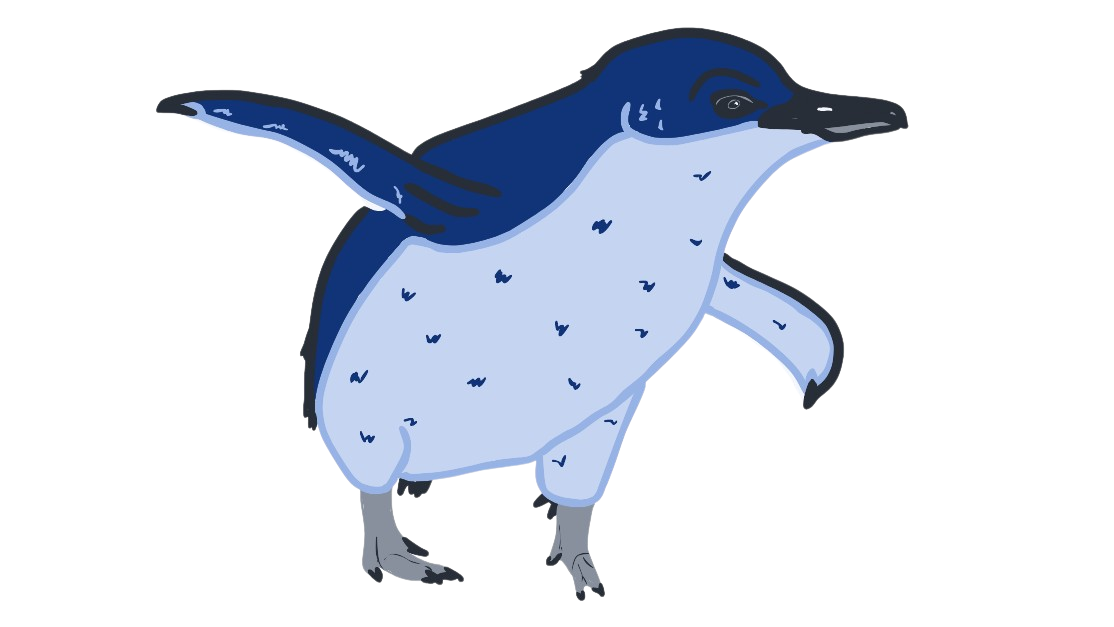
AI-Powered Wildlife Monitoring

Nestled along Melbourne’s coastline, this project focuses on developing compact AI-powered acoustic monitors to detect and identify penguin calls for population and health tracking.
Penguin vocalisations are too subtle for the human ear to reliably distinguish, and traditional manual counts or trail cameras fall short in the narrow, rocky burrow entrances, leaving a lack of accurate, consistent colony health data.
We are building an AI-powered acoustic monitoring device that learns to identify individual calls, allowing us to estimate populations and monitor penguin colony health non-invasively over time.
Tough Encasement + Stable Internals: Designing a system to withstand harsh breakwater marine conditions using weighted matrix factors.
Signal Processing + Sustainable SAPS: Creating microphone, radio, and sustainable autonomous power components with custom circuit boards.
Embedded Systems + Digital Ecosystems: Audio preprocessing and Mel-spectrogram generation directly on Raspberry Pi with RAM and latency tuning.
AI Model Building + Deployment: Training models to count overlapping Little Penguin calls in real-time non-invasively.
Beyond St Kilda, we hope this technology can be adapted to support other conservationists globally by offering a new way to monitor elusive or vulnerable species through sound.